Capital Architect & Impact Architect
Systems thinker on capital, culture & consequence — strategy is the connecting skill underneath both titles.
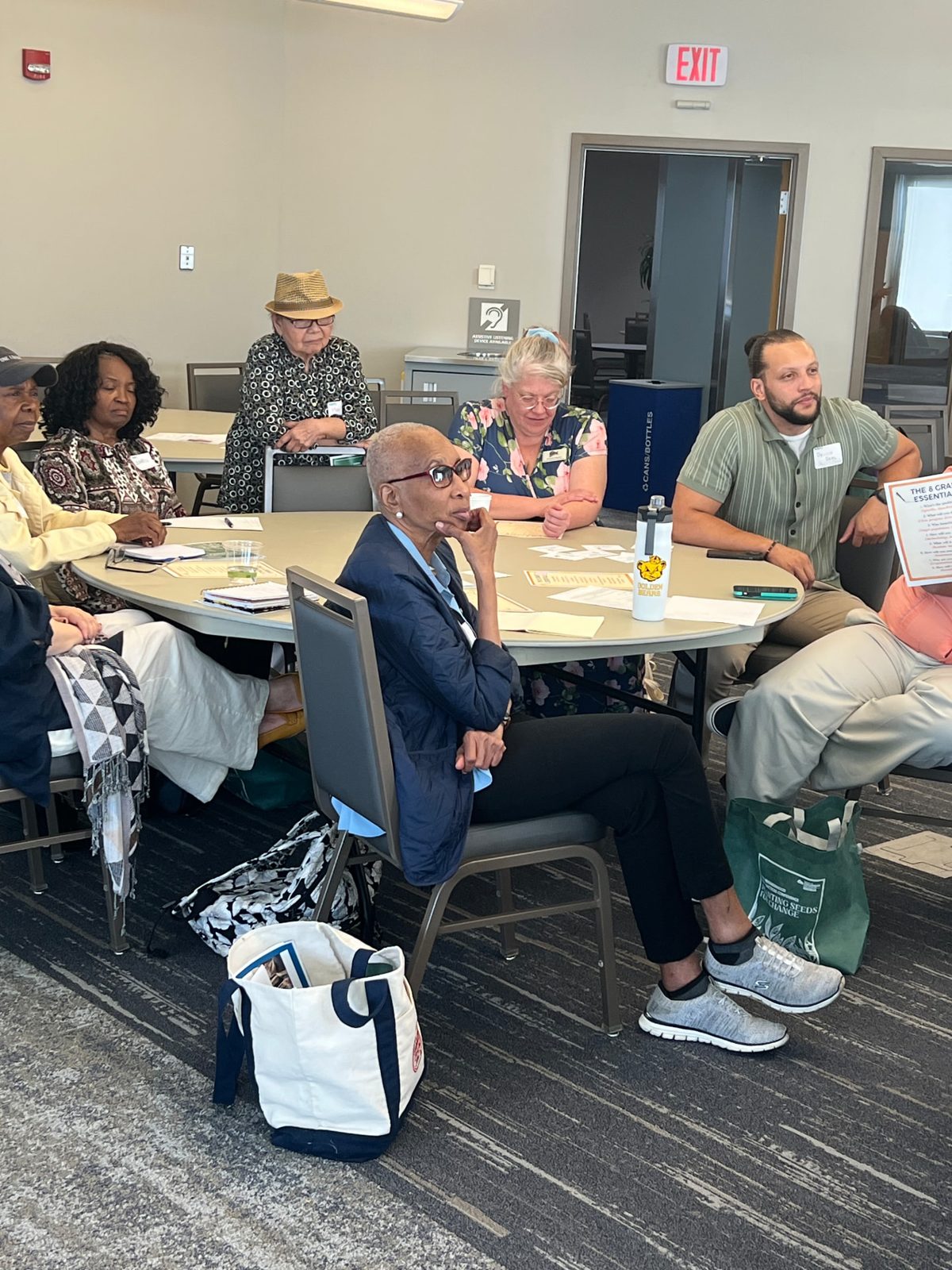
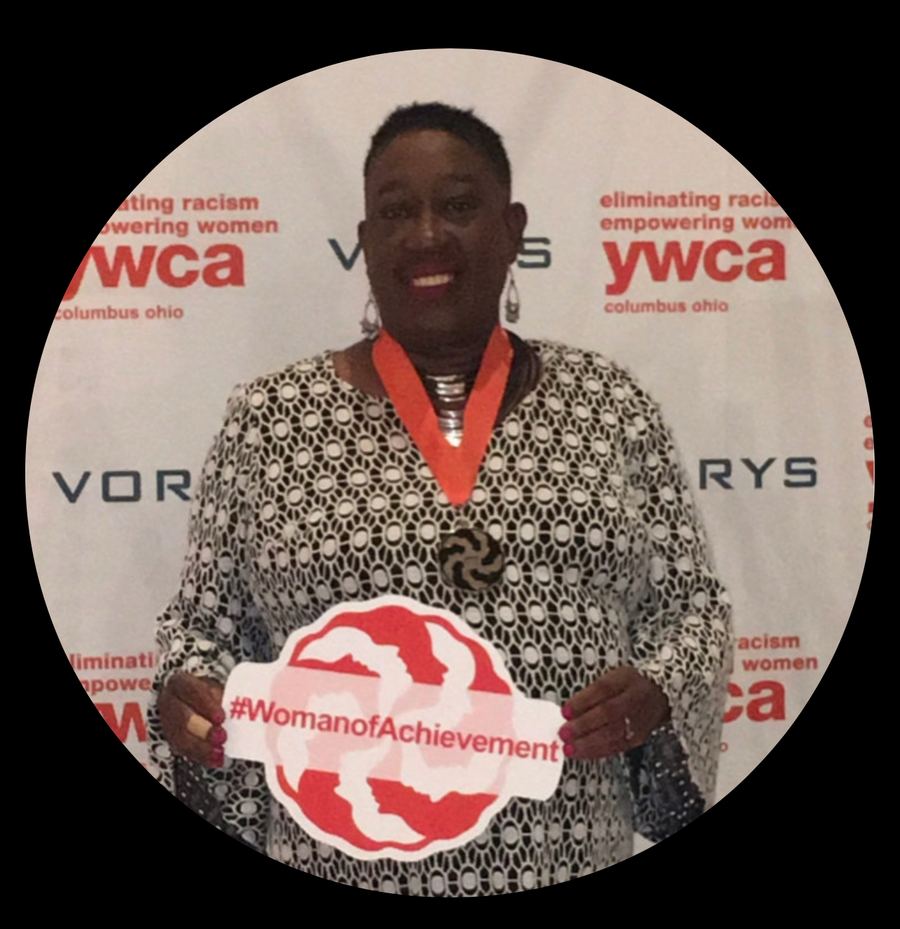
Fredericka Wallace Deena
Founder, Capital Architect & Impact Architect, Deena Strategic Group
With nearly four decades of executive leadership in capital acquisition, strategic development, and cross-sector transactions, Fredericka Wallace Deena builds operational conduits between institutional resources and community execution.
Capital Architect and Impact Architect are two names for one practice, and strategy is the connecting skill underneath both — not fundraising, not program delivery. Strategy.
Community development is an economic discipline.
Fredericka operates on a straightforward principle: community development is an economic discipline. It requires clear rules, measurable performance, and equitable financial participation.
Her practice is grounded in a deep respect for local heritage and cultural context—urban, Appalachian, Black, Latino, Asian, and Indigenous communities alike—without relying on superficial slogans or performative labels. By establishing uncompromising operational standards for community enterprises and structuring direct, performance-driven contracts with enterprise funders, Fredericka transforms ground-level community work into scalable, institutional-grade assets.
I learned the rules. I learned the room. I learned the undertalk. I learned how value gets priced.
I used my career to get close enough to learn, and then I brought what I learned back.
From mission statement to major capital, I know how to build the architecture underneath the decision.
Culture trained my eye before institutions trained my language.
I grew up in a culturally expansive world. Chapline Street in Wheeling, West Virginia was one address inside many overlapping ones — Black households, white households, second-generation immigrant households, each running its own economy of obligation, credit, care, and repair. I learned early that value was being created constantly and counted almost nowhere.
Howard sharpened that into method. What had been observation became socio-anthropological curiosity: how groups organize, how meaning travels, how a decision gets made long before it is announced.
From there I entered rooms deliberately — different political settings, different institutional cultures, different sides of the table — not to belong to them, but to understand how the people in them think, what they consider evidence, and what they are able to recognize as value. That is plural-world fluency, and it is the core instrument of this practice.
Institutional capital is my second language. I learned the rules, I learned the room, and I learned how value gets priced. I did not trade the first language to get the second one. Holding both is the whole job: I can hear what a neighborhood is actually telling me and still write the sentence a committee can act on.
Decades of philanthropy, fundraising, organizational leadership, community investment, and capital strategy followed. The formation came first. The vocabulary came second.
Not to make communities imitate institutions.
DSG exists to make the value communities already create legible to capital without stripping the context that makes it work. The point is not to sand an organization down until it sounds like a foundation. The point is to build the evidence, the numbers, the costing, and the capital route so a decision-maker can say yes to the thing as it actually is.
Before philanthropy funded these communities, these communities were funding one another. The nonprofit is often not where the giving began. It is where the giving finally became visible to institutions.
Capital does not have to love us. But it does have to learn how to count us correctly.
Fredericka is available for keynotes, panels, convenings, funder briefings, and board sessions on the subjects below. These are topics she speaks on, not a list of past appearances. Confirmed venues and recordings will be listed here as they are cleared for publication.
The Middle Is Not Neutral
What sits between institutional intention and community consequence, and why it decides the outcome.
Outside the Room: What Institutional Decisions Look Like From the Other Side
How allocation reads to the people the allocation is about.
Community Intelligence Is Capital Intelligence
Why relational and oral evidence is first-class evidence, and what it takes for capital to credit it.