I run community work
Grassroots, small, identity-based, place-based & neighborhood organizations
The work is real and long-standing. The way capital reads it is the problem.
For organizations →If you run community work, you already know the money doesn't always reach the people actually doing it. If you hold capital and want to give it well, you already know your process doesn't always see who's real. Deena Strategic Group closes that gap from both sides — we tell an organization plainly where it stands, and we tell capital plainly what it's not built to see.
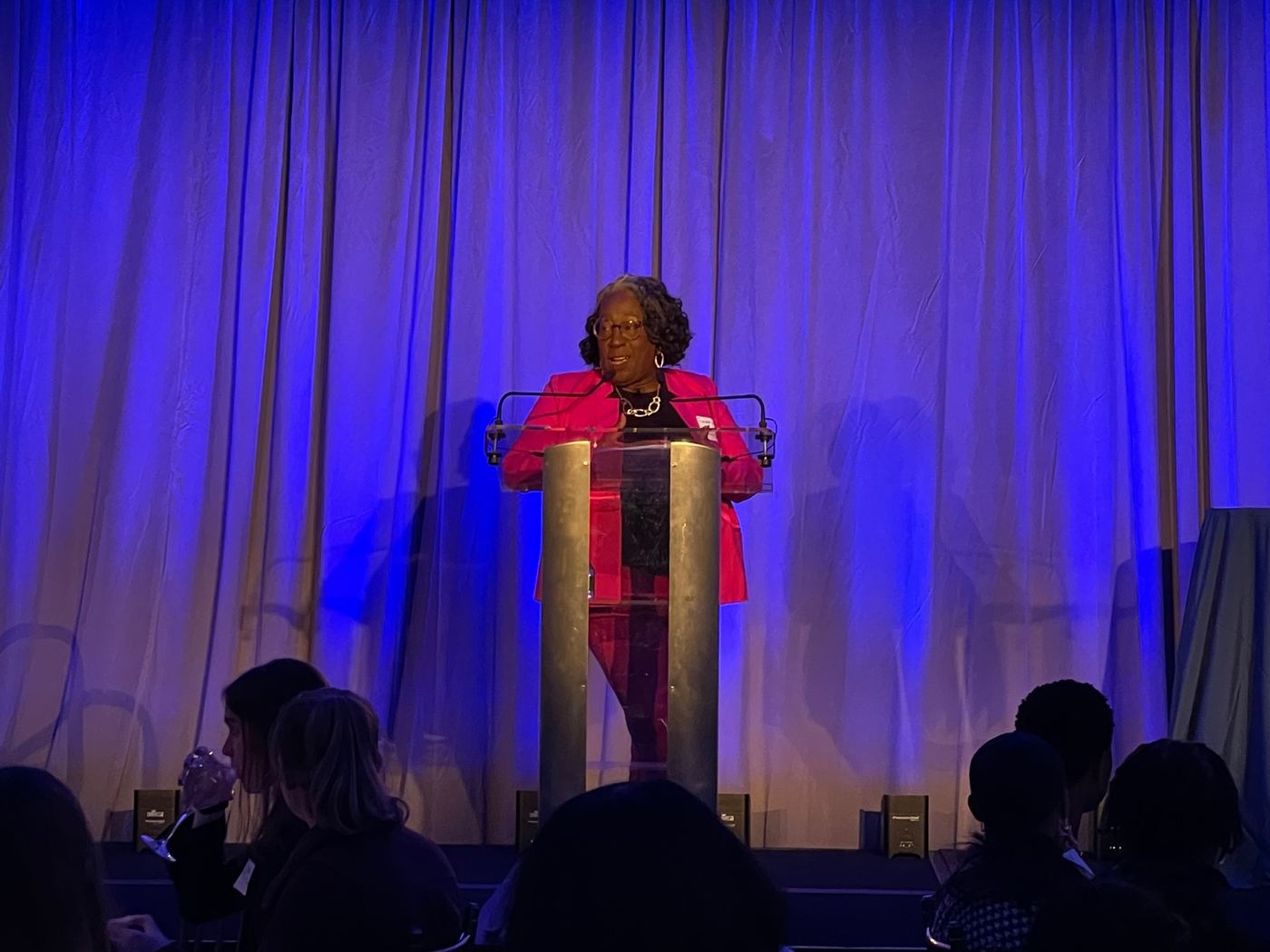
A community already knows what works, and it has already built more than any application shows. DSG reads that first — the costs nobody listed, the proof nobody wrote down, the giving that happened before any funder arrived. Then we write it in the language money reads.
The business, the evidence, the people, the place, the relationships, the institution, the capital, the scope, and the covenant move together. No single signal is interpreted alone.
Conceptual diagram. It shows how DSG reasons, not measured results.
The business, the evidence, the relationships, the operations, the institutional context, and the capital are worked together because a change in one changes the rest.
Some of the largest philanthropic funds already pool capital and invest in readiness before money moves. The model exists. It works. Almost no organization outside a handful of national names has a path into it — or anyone preparing them for it.
DSG is that missing layer. We assess an organization against what real partnership requires — governance, data discipline, physical readiness, community trust — and say plainly where it stands. Where it isn’t ready, we build the plan to close the gap. Where it is, we structure the terms that hold, including direct payment to the organization doing the work.
We run the same assessment on the capital side. Readiness is bilateral, or it isn’t readiness.
Capital flows to the entities doing the work, not to the layers above them.
Institutional capital demands data integrity, compliance, and fiscal discipline.
A funder without defined requirements, a realistic timeline, or fair terms fails a match too.
Choose the sentence that sounds like your work.
The work is real and long-standing. The way capital reads it is the problem.
For organizations →You already hold the capital. The open question is what your giving is structured to recognize.
For DAF holders →New capital entering a neighborhood does not have to rebuild the extraction patterns of the old philanthropic sector.
For venture capital →The same organizations keep rising to the top. What is the process unable to see?
For foundations →Intention, allocation, and the decision made in the room.
Populated. Never neutral.
Select a term. Each one edits what arrives on the other side.
What a community actually experiences after the decision leaves the room.
Do not confuse where the failure appeared with where the failure was designed.
Six steps, run in order: read the whole situation, translate it into terms an institution can credit, build the evidence and the true cost, sequence the money, move one real opportunity, and keep what you built so you never start over.
Intake protocols, clean data, reporting that holds up under a real contract. We assess where an organization stands and build the plan to close the gap.
For organizations →Performance-based service contracts in place of fragmented grants, with capital distributed proportionally to the providers generating the outcomes.
See the practice →Both sides assessed against what direct partnership requires, then the agreement written — including direct payment to the organization doing the work. DSG does not own, operate, or run community organizations.
For capital partners →A documentation and evidence structure that carried what was already true, plus a corrected cost basis and a capital route matched to the actual decision-maker.
No outcome is published here until a human has verified it. Whether the correction moves the decision, and whether the reviewer's standard changes on the next cycle.
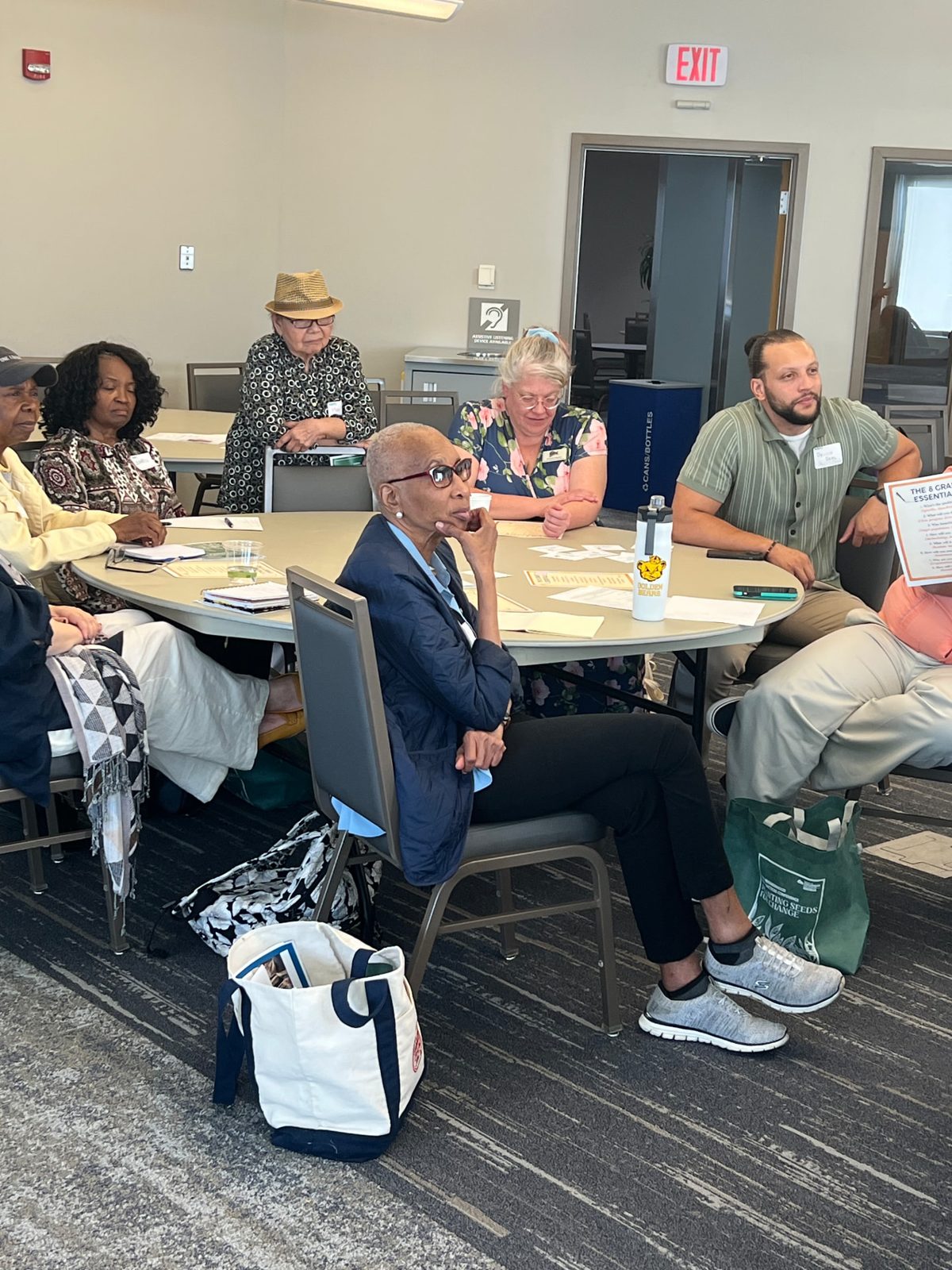
Nearly four decades of executive leadership in capital acquisition, strategic development, and cross-sector transactions. Fredericka builds the operational conduit between institutional resources and community execution: uncompromising standards on the frontline side, direct performance-based contracts on the capital side, and a working knowledge of how allocation decisions actually get made in the room. Community development is an economic discipline — clear rules, measurable performance, equitable financial participation. Capital Architect and Impact Architect are two names for one practice, and strategy is the connecting skill underneath both — not fundraising, not program delivery. Strategy.
The full positionWhat is actually moving in capital, and what it means for the floor.
Short observations from live readiness and match work.
The longer argument, written out.
You found us. We’d like to know who’s in the room. Get Capital Signal™, Field Notes, funding intelligence, and occasional notes from DSG.
We use your details only to send DSG publications and to know who is in the room. No spam, no sharing. Leave anytime. Privacy.
Would rather talk than read? Say hello.
Say it plainly, in your own words. A person reads it and tells you what the real problem is — and what to do next.